Colorectal cancer
The most common cancer in Malaysian men. Found early, it is one of the most curable.
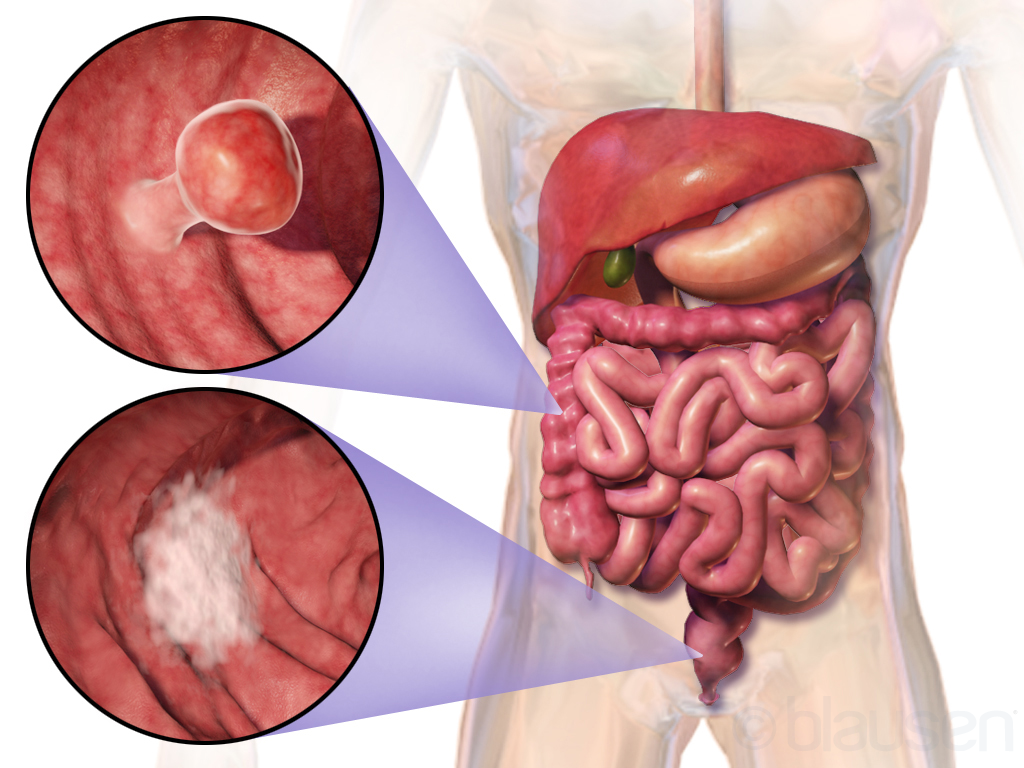
Colorectal cancer develops, in almost all cases, from a small benign growth in the bowel called a polyp. Polyps grow silently and slowly over many years. If they are found early, at colonoscopy, they can be removed in the same sitting and the cancer is prevented before it ever starts. When polyps are not found, a small minority eventually become invasive cancer.
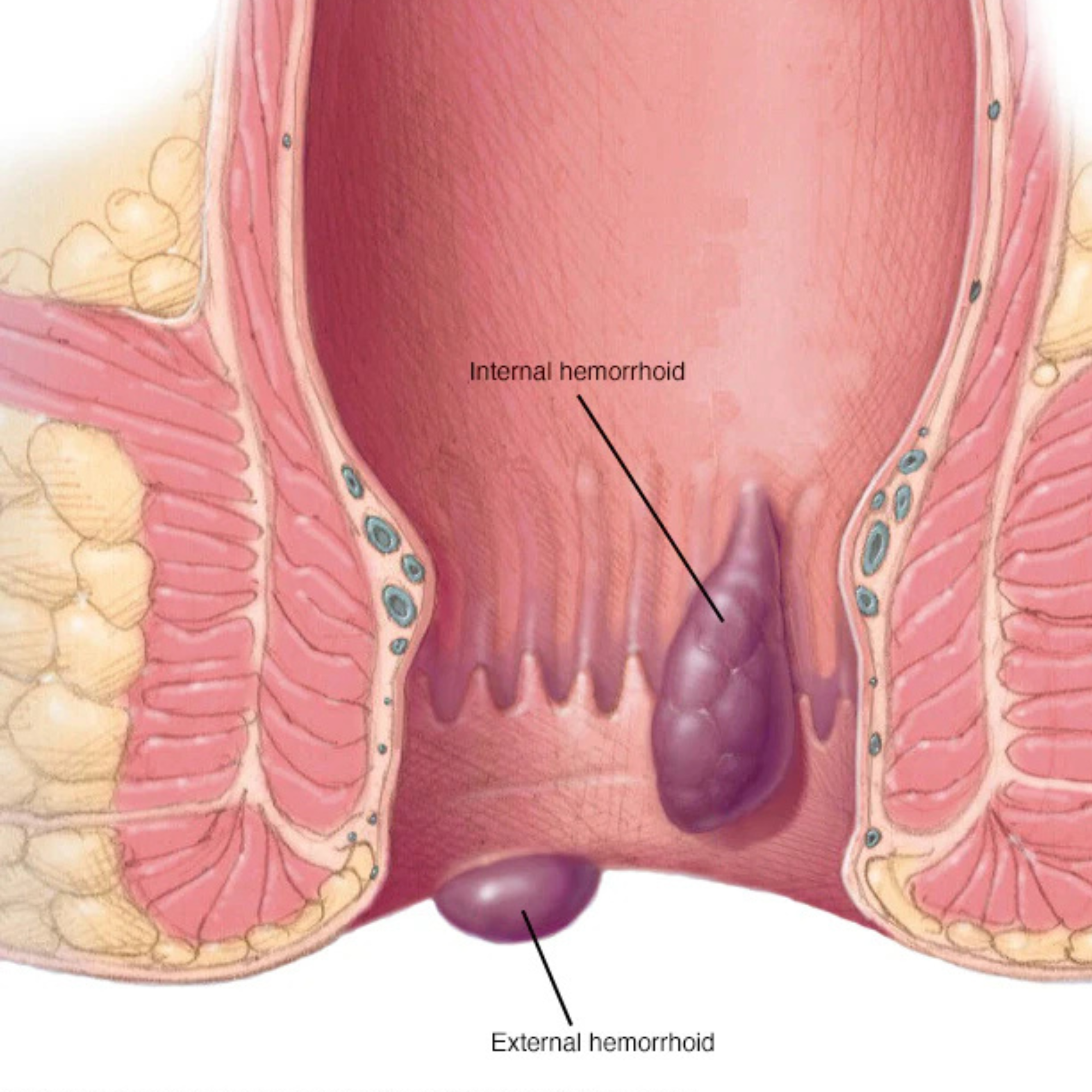
Early colorectal cancer rarely produces dramatic symptoms. Quietly persistent changes are more typical: a change in the shape or frequency of bowel movements, a sense of incomplete emptying, intermittent rectal bleeding (often blamed, wrongly, on haemorrhoids), unexplained iron-deficiency anaemia, or a low-grade abdominal discomfort. Weight loss and severe symptoms tend to appear later, which is why screening matters.
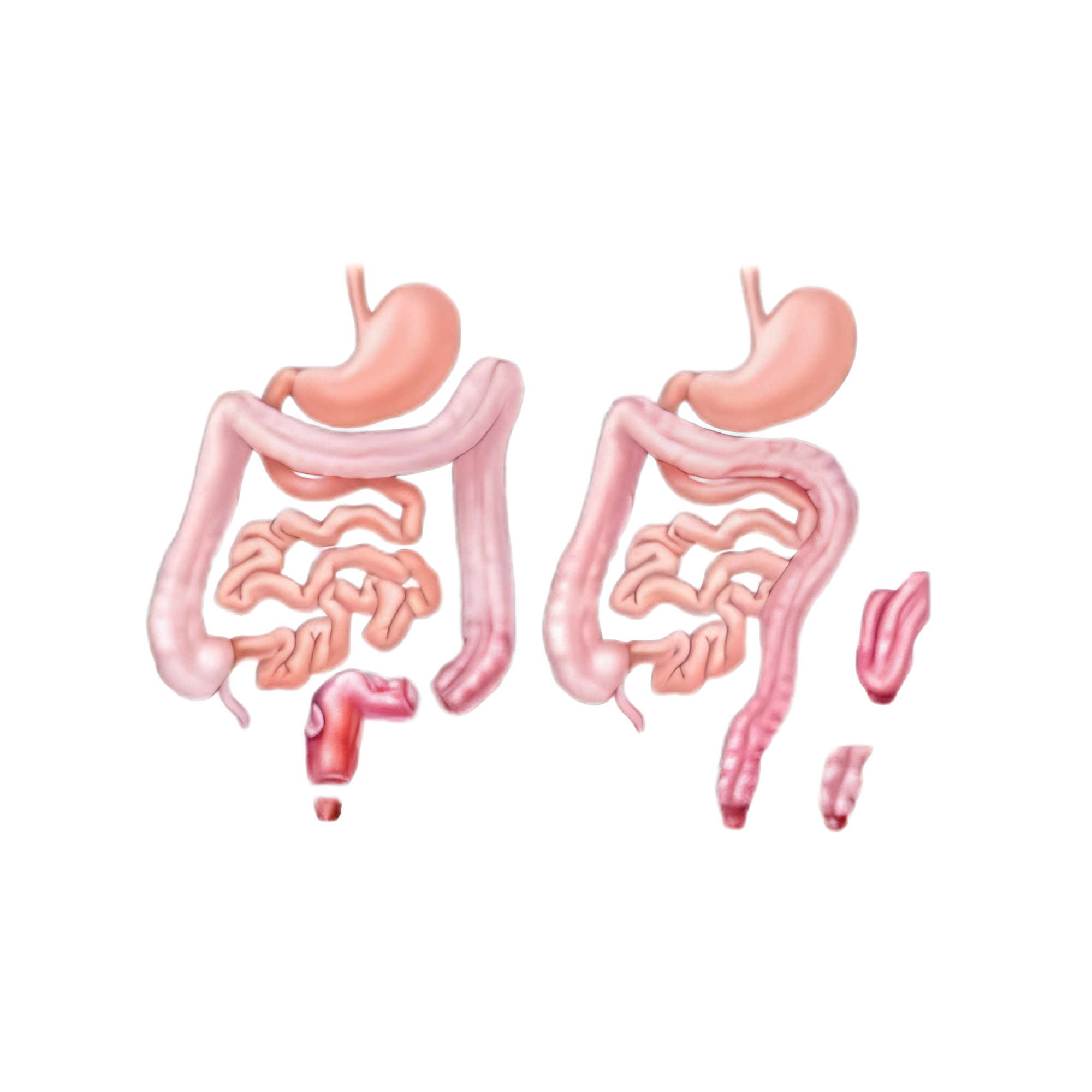
Treatment depends heavily on the stage of disease at diagnosis. Early-stage cancers are often curable with surgery alone, increasingly through minimally invasive keyhole approaches. More advanced cancers are managed with a combined plan, chemotherapy, radiotherapy and surgery, coordinated across a multidisciplinary team. By a long way, the most important variable in outcome is the stage at which it is found.
When to see a specialist
Any new rectal bleeding, a persistent change in bowel habit beyond a few weeks, unexplained tiredness or anaemia, or a family history of bowel cancer. None of these symptoms guarantee cancer, most have benign explanations, but they justify a single consultation to settle the question.